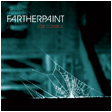
Farther
Paint – Lose Control
8/10
By
David Dashifen Kees
www.usaprogmusic.com
Farther
Paint’s debut album Lose
Control consists of
eight tracks, two of which
are instrumental while the
other six are sung in
English, despite the group’s
Italian home. “Lose
Control,” one of the
instrumentals, opens the
album and quickly
establishes the technical
precision of Luca Prima on
the drums; a precision which
continues throughout. Each
of the other band members—founding
members Thomas Bianci (bass)
and Francesco Federici (guitars)
as well as Gabriele Monocchi
on keyboards—provides us a
melodic introduction to
their contributions as well.
The album transitions into
“Hold Me” shifting their
sound from the arpeggiated
chords and scales of the
previous track into a
Latin-sounding opener where
we are first introduced to
Monia Rossi’s vocals.
Unquestioningly progressive,
“Hold Me” continues to add
layered elements beyond the
simple vocal/keyboard
combination that begins the
piece until all members give
us the first taste of their
style as a group. Utilizing
a variety of electronic
alterations to the vocals
gives it a sense of variety
even though Rossi provides
the only voice throughout
the piece. If I had one
criticism for the track, it
is that the vocals are a bit
difficult to hear as they
are sometimes hidden by the
instrumental elements.
Unfortunately, there are
times where this is apparent
during other tracks as well.
“No One is Around Me”
continues to showcase the
versatility of the group.
Slowing the tempo and
opening with an electronic,
almost industrial, hum we
are shortly presented with
Rossi’s voice and the sound
of a toy piano. When the
sound of the piano is joined
by the drums and guitars,
the precision of the group’s
musical efforts become more
apparent. Roughly half way
through the piece the
concept shifts until we are
presented with an extended
instrumental section
utilizing sampled choir
sounds to enhance the
atmosphere. The quickly
shifting synthesized sounds
of Monocchi’s keyboard trade
the melody between Monocchi
and Federici in short spurts
of ever-increasing
difficulty until Rossi joins
us again at the end of the
piece which softens at its
completion into an
atmospheric, idyllic hum
providing a counterpoint to
the darkness with which we
started the track.
“Chains” is the shortest of
any of the vocal pieces; the
only track shorter on the
album is the instrumental
introduction. However, it
becomes clear, at this point
if not before, that Lose
Control is not
presented as a series of
individual songs, but rather
a sweeping melody from start
to finish. Be sure that if
you purchase this album in a
digital format that it can
be played without gaps
between tracks or the
seamless transitions of the
album will be lost.
From the one of the shortest
tracks, we switch to the
longest with “Illusion in My
Hands.” Shifting between
vocal sections and
instrumental solos, this
track shows the band’s jazz
influence as the focus
continues to be passed one
band member to another.
Rising to a climax of
rhythmic brilliance, the
instrumental foundation of
the piece drops out leaving
us with little more than the
pattering of rain and the
vocal melody giving us what
is the most passionate
moments of Rossi’s
contributions to the album.
The full band ends
“Illusion” together, leading
us into the sound of static
as we imagine someone
twisting the knob on an
analog radio searching for a
station. Snippets of
previous songs on the album
are heard until, when the
static fades, we are
presented with “Anger,” the
second instrumental piece of
the album, and by far the
more intense and technically
difficult. Each member of
the band has their moment to
shine while the drumming
grounds the other band
members and gives us a sense
of tempo. Short bursts of
electronic vocals and an
extend section of vocal
scratching reminiscent of
rap music as well as various
synthesized aural oddities
keep the listener interested
through the piece. Other
influences are apparent here
including jazz, funk, and
industrial; at times, the
piece feels almost
avant-garde rather than
progressive. Nevertheless,
the focuses on complex
rhythmic cadenza and
percussive structures keep
the track moving and lead us
easily into the final two
tracks of the album.
With what is the closest
thing to a pause in the
sonic structure of Lose
Control, “Inside the
Cage” opens with the harsh
sounds of metal before
Rossi’s vocal line is
presented almost without
accompaniment. This brief
moment of clarity is soon
expertly muddied by the
inclusion of the other
instrumentalists. While
more straightforward in
presenting the melody than
other tracks, consistently
shifting keys, tempo, and
style between metal and a
Latin-influenced rock make
this a more complex piece
than at first glance. I
hadn’t noticed, until
listening to the track
during this review, that in
and around Rossi’s vocals,
she repeats herself,
mumbling and sub-vocalizing
earlier words and lines
providing a dark, mysterious
sound which the band shifts
in and out of as necessary
throughout the remainder of
the track.
The transition from “Inside
the Cage” to the final
track, “My Noise,” is not as
smooth as the others, but it
only startles momentarily
before the final sounds of
the album are presented to
us. In what is probably the
band’s most straightforward
piece on the album, we are
presented with a more
traditional song structure
with progressive,
experimental elements
included. The reduced
structural complexity of the
piece does not detract from
its technical clarity as it
gives us a final glimpse at
each of the band’s
instrumentalists. As the
track, and the album,
closes, a high-pitched whine
from the guitars is heard.
Chords are not resolved, no
cadence is provided, and the
listener is left wanting
more from Father Paint.